Australian child safety data
Your fix list in a minute, booked in one go with local fitters.
Not by being told to be careful. A mine names the few things that can kill, puts a barrier in front of each one, and checks every barrier on a schedule. Run your home the same way.
Get the toolboxOr watch the 25-second Mining Series: eliminate, replace, control.
Every mine rates its hazards on this grid. A control moves a hazard down. Only removing it moves it left: a fence makes drowning less likely, never less deadly.
Workplace law ranks controls strongest first. "Watch them" sits near the bottom: it fails the moment the phone rings.
Climb the ladder → Swiss cheese modelFence, gate, supervision, CPR. Each one has holes. Stack enough slices and nothing gets through.
See the slices → Critical controlsMining's method: name the few things that kill, then verify the barrier in front of each one, on a schedule.
Find your six → Take 5Stop, look, assess, control, ready. Before bath time, cooking, or a visit to someone else's house.
Learn the five → Haddon matrixHeat, water, height, chemicals. One grid finds twelve places to stop a drowning before, during and after.
Fill the grid → Near missesSo went a 1969 safety ratio. The pool gate found open is a free lesson. Log it, fix it, nobody gets hurt.
Start a log →Pool barrier, locked medicines, button batteries, anchored furniture, bath water at 50°C, safety switches. What working looks like, how to check, how often.
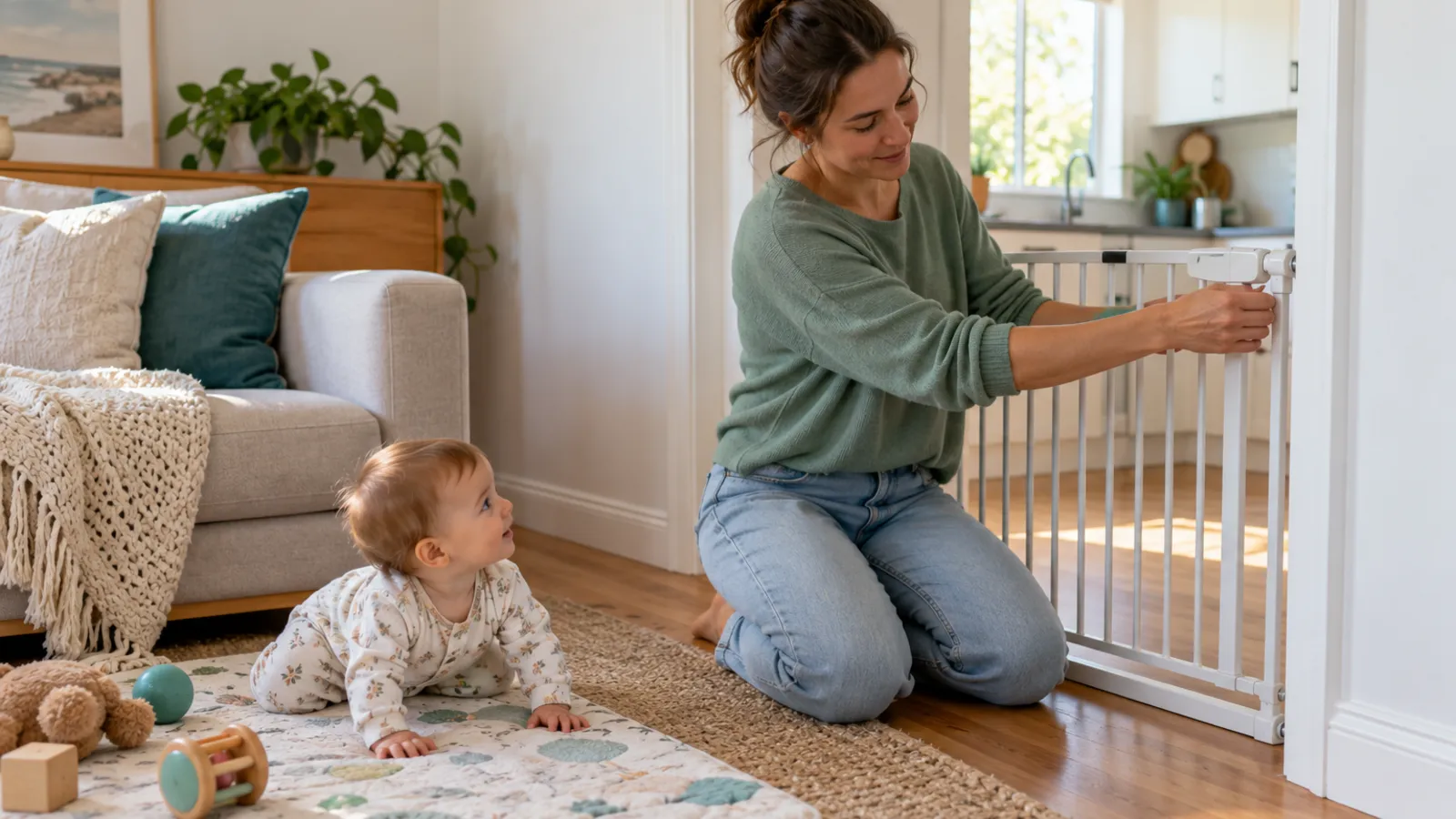
Most child injuries happen at home, and most can be prevented. Here is the shortest path from worry to done.
The five biggest risks for a baby, toddler, kid or teen, and the room each one is in.
Pick an age → 2A tick-box list for each room. Do one room a night; your ticks are saved on your phone.
Open the checklist → 3Get your fix list in a minute and book a local fitter in one go, or do it yourself with gear independent testers rate.
Fix my home →Australian data only: AIHW, Royal Life Saving, Poisons Information Centres. Each figure links to where it came from. Our sources
Sorted by room and by age, so you see the three things that matter in your house, not fifty general tips.
Knowing isn't the same as fixed. We book the fitter, remind you when your child reaches a new stage, and help you buy the right gear.
Every guide, checklist and helpline is free to use. No account, and nothing you tick leaves your phone.
 Walk through a 3D homeGo room by room and see each danger where it hides, then the one thing that fixes it.Explore the 3D home
 Your safety calendarEnter your child's birth month. Get a reminder at each new stage, straight into your phone's calendar.Make my calendar
 Safety gear, reviewedCar seats, cots, gates and alarms: the Australian standard, what to avoid, and who tested it.Read the guide
Share of Australians who experienced each type of maltreatment as children, from the Australian Child Maltreatment Study (MJA 2023)
In 2024–25, substantiated child protection cases ran at 39 per 1,000 First Nations children against 5.8 for non-Indigenous children, and 25 per 1,000 in very remote areas against 6.0 in major cities. A third of cases come from the poorest areas. Source: AIHW, Child protection Australia 2024–25.
About one child every 23 minutes, and probably more: 4 in 10 hospital records don't say where the injury happened. Falls, poisoning, burns, drowning: in the place meant to keep them safe.
Transport causes 14% of child injury hospitalisations. At home it is at least 23,000 a year. Home safety deserves the same attention as road safety.
The risks change as children grow. What threatens a baby is not what threatens a teenager, but every age has hidden risks at home.
The same home changes as the child grows. Choose an age, tap a room, and get the one thing that fixes each danger.
General guidance from Kidsafe, Royal Life Saving, ACCC Product Safety and Red Nose. "Get it" links go to Amazon; as an Amazon Associate we earn from qualifying purchases.

HBOT for the brain lays out the research on hyperbaric oxygen for injured brains: nine studies, three randomised trials, every claim traced to a real paper.
Visit HBOT for the brain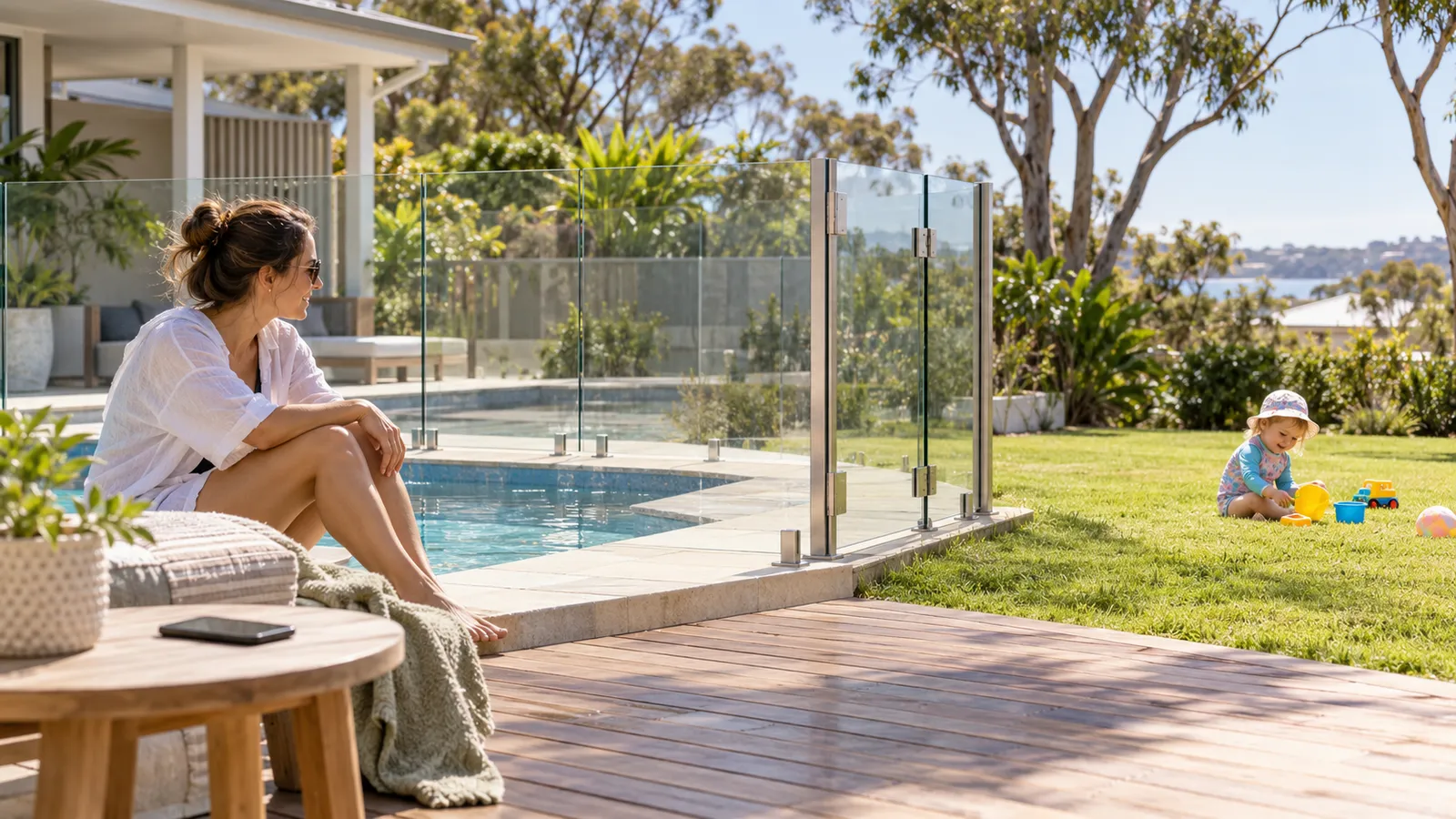 Water
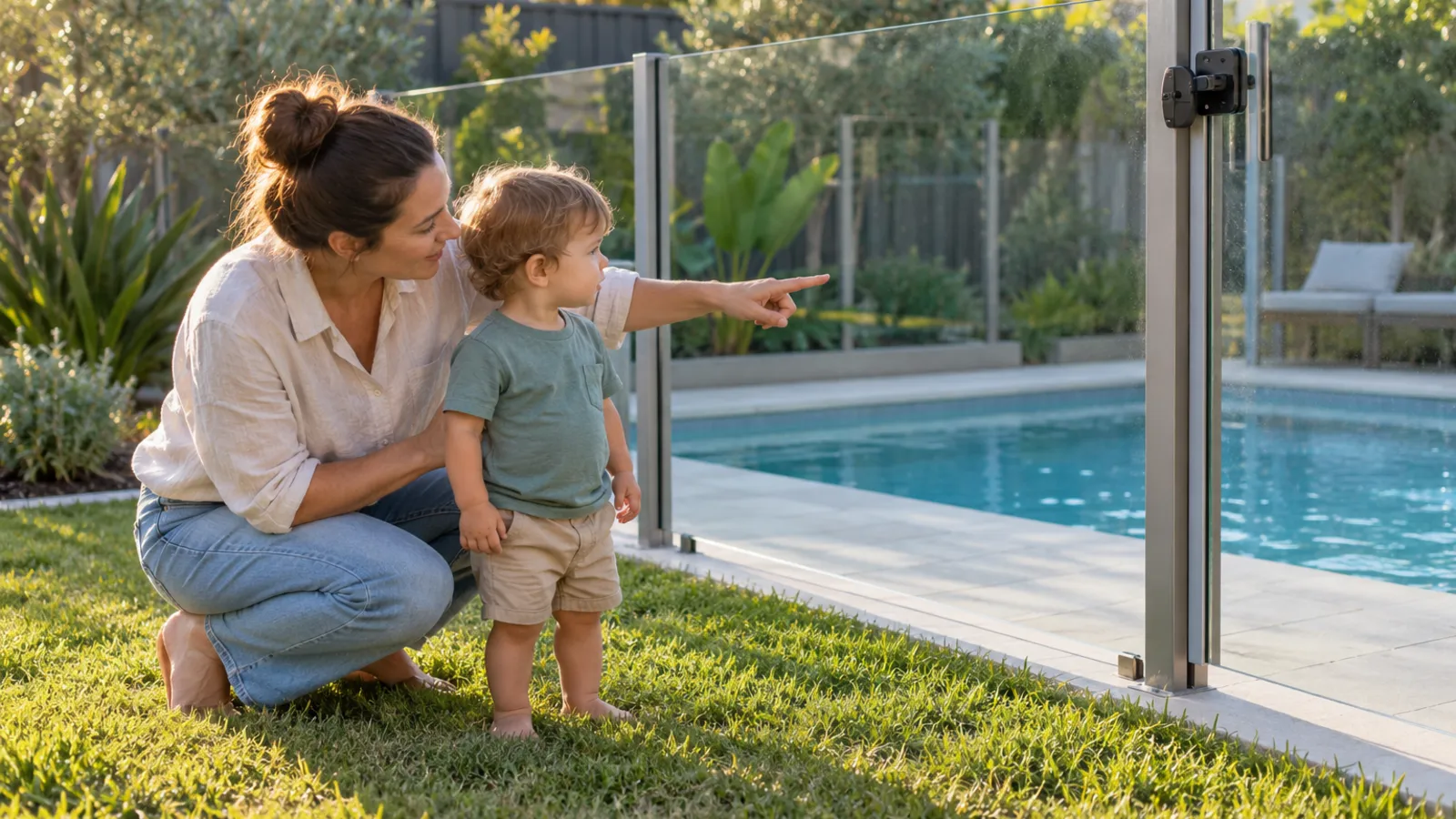
What a WA pool barrier must do, the gate checks that matter most, and Royal Life Saving's four Keep Watch actions for children under 5.
 Babies and sleep
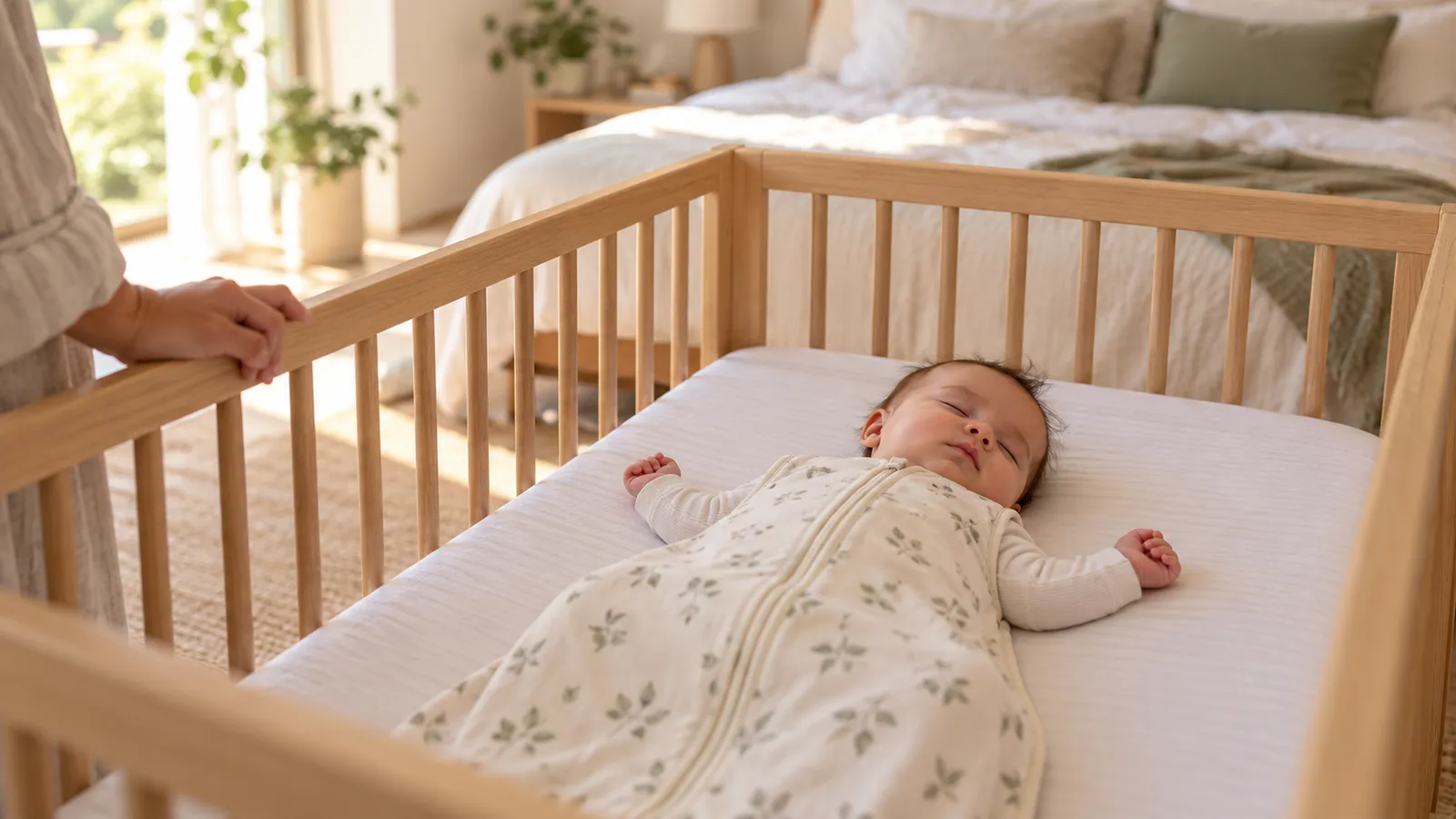
Red Nose's six safe sleep recommendations for every baby from birth to 1 year, what makes a cot safe, and the free advice line to call.
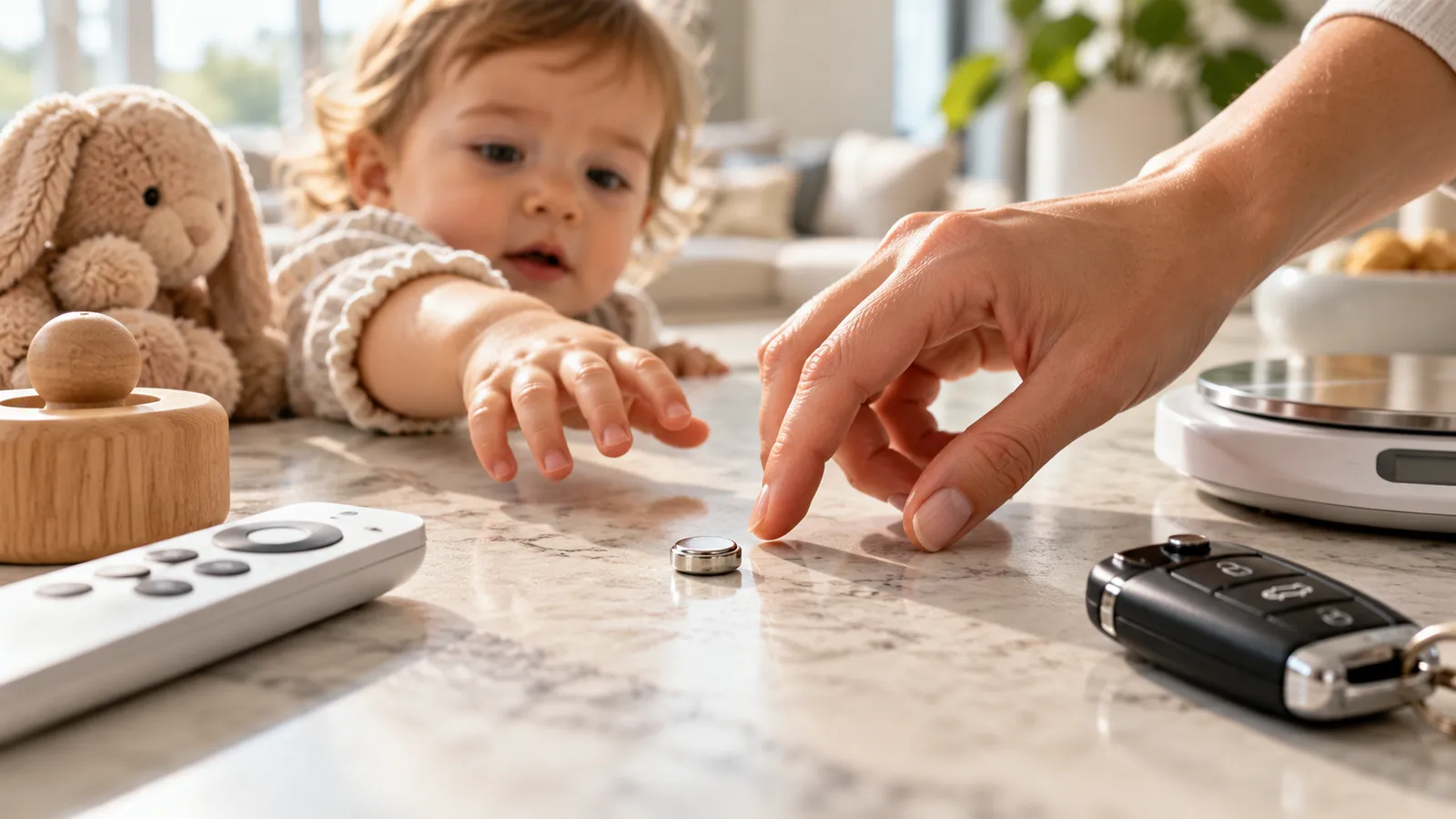 Around the house
A swallowed button battery can burn through a child's food pipe within hours. What to look for, what to do, and where they hide at home.
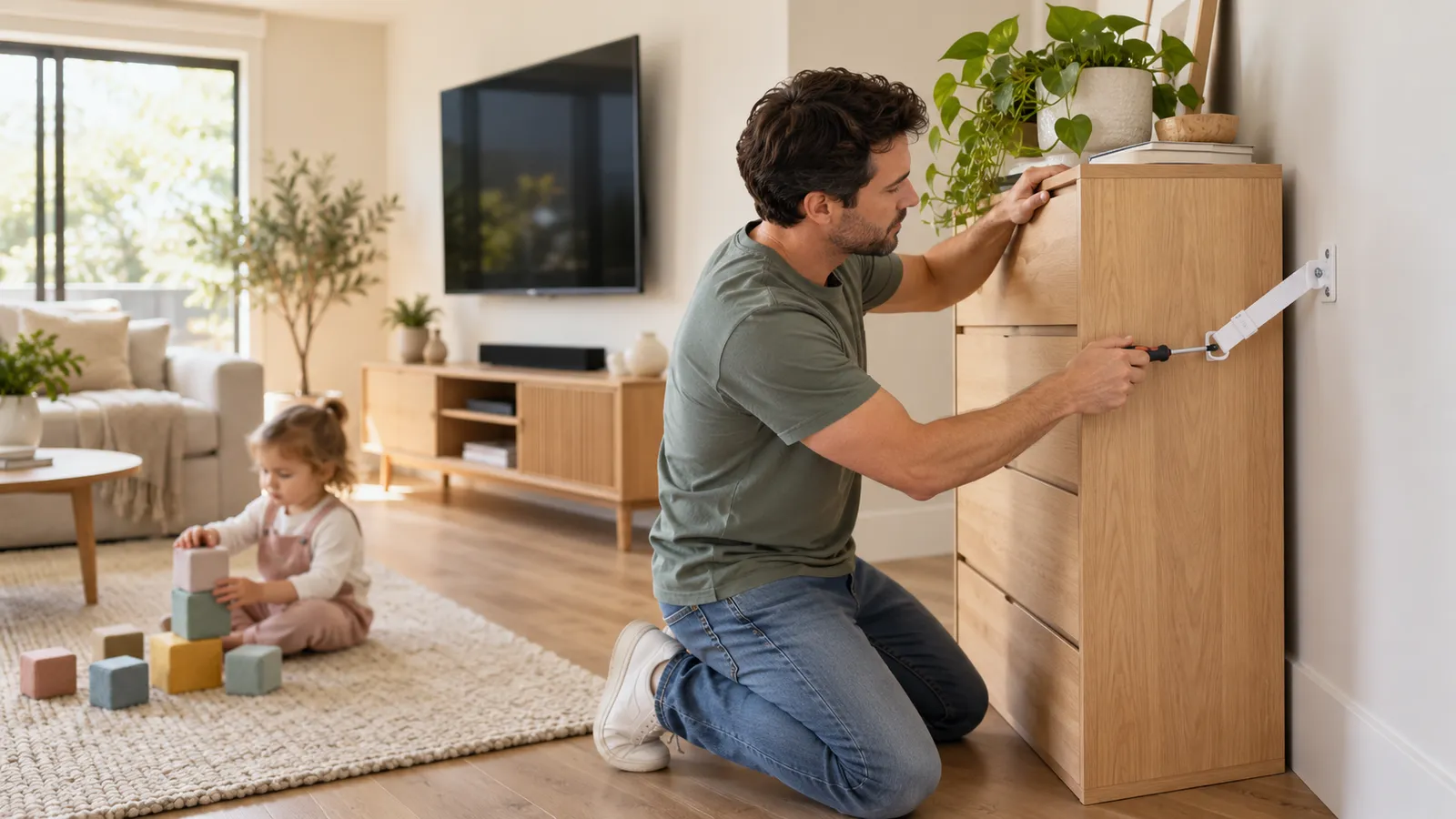 Around the house
Toppling furniture and TVs have killed at least 28 Australians since 2000, 17 of them children under five. How to anchor drawers, bookcases and the TV.
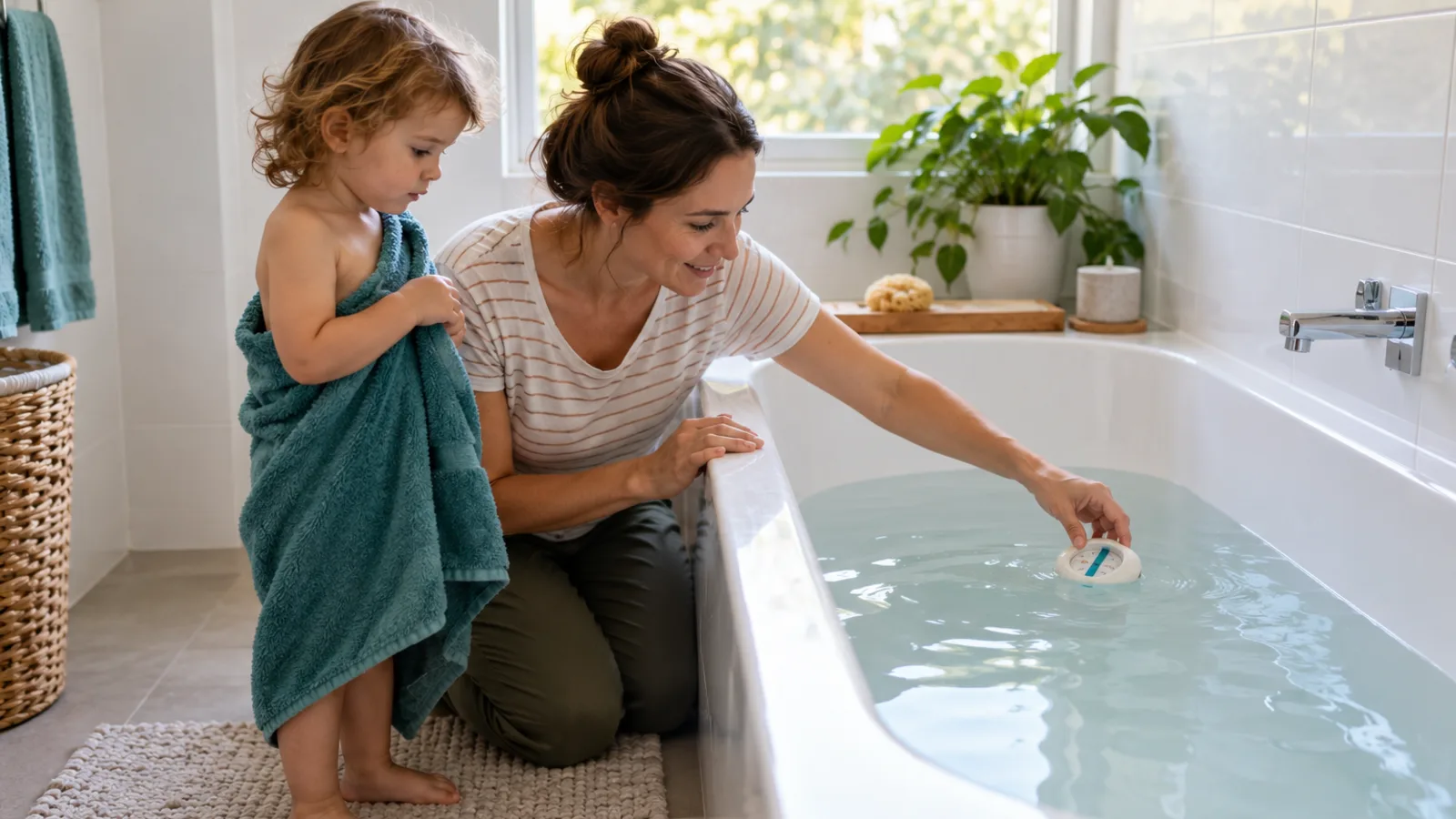 Around the house
A cup of tea, the bath tap, the heater. Kidsafe WA's free fact sheet and Home Burns Safety Checklist show you where burns happen, how hot is too hot, and what to do in the first 20 minutes.
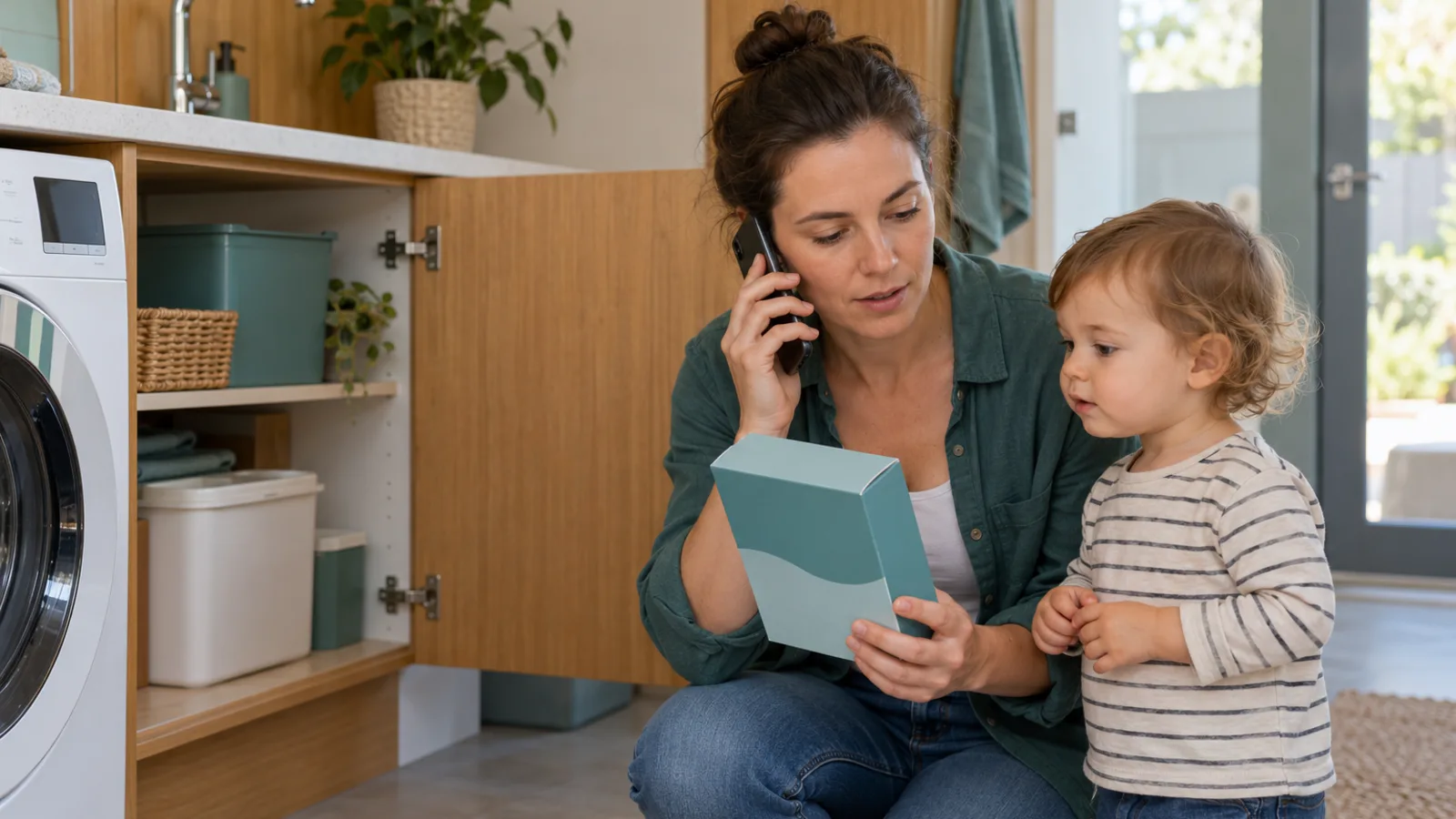 Help lines
The WA Poisons Information Centre answers 13 11 26 around the clock. When to call, what they will ask you, what to do while you dial, and the few minutes of setting up at home that stop most calls happening at all.
Walk through a 3D home and see each danger where it hides. Built for parents and carers.
 Kid Safest
Australian home-injury and child-harm data, made clear so it can be prevented.
Emergency 000 · Poisons 13 11 26 · Nurse 1800 022 222 · All help lines


We acknowledge the Traditional Custodians of the lands where we live, work and raise our children, and pay our respects to Elders past and present. LGBTQIA+ people belong here.
A note before you rely on this. We share general safety information from Australian research and link every source, but we don't know your child or your home. It isn't medical, legal or professional advice. For your situation, talk to your GP, child health nurse or a licensed installer. If a child is hurt or unwell, call 000, or Poisons on 13 11 26. More · Our sources